INDEPENDENT MENU GUIDE
Editorial Policy
The TRH Menu editorial policy is a copying rule. Names, descriptions, photos, and printed prices come from the public national menu page. Missing facts stay missing.
68
Printed prices
58
Left blank
Not estimated
Calories and allergens
If the source price was blank, the published price is blank. Zero is not a clever synonym for unknown.
The TRH Menu editorial policy exists so a reader can tell a saved fact from a hole. The public national menu page is the source for item names, descriptions, and photos. A price is copied only when that page printed one. The TRH Menu editorial policy then stops. It does not smooth the holes with a guess.
In the current save, 68 items have a printed price and 58 do not, out of 126. The prices page shows the first group only. Cards for the second group say the price was not printed. That sentence is the policy, visible on the page.
What the TRH Menu editorial policy allows
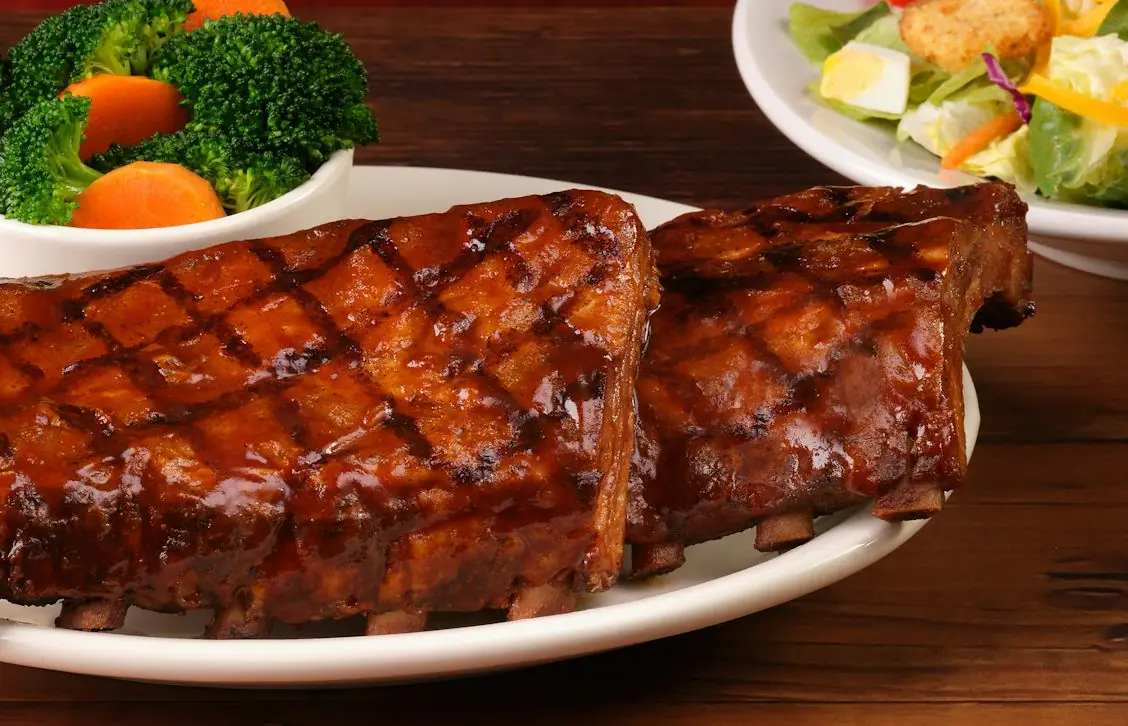
It allows the Cactus Blossom to be listed at $8.99, the Bone-In Ribeye at $32.99, the full slab at $25.99, and the Bacon Cheeseburger at $13.99, because those prices were printed. It allows the ribeye description to say the cut is 20oz and comes with two sides, because that was the description. It allows the photo that was shown with the item.
It allows category pages in the national menu order, so a reader can move from starters to steaks to ribs without a new taxonomy. It allows a homepage table of the same printed prices. The TRH Menu editorial policy treats those as formatting, not as new facts.
It allows plain-language pages that explain a hole, which is what the calories, nutrition, and allergen articles are.
What the policy forbids
It forbids publishing a missing price as zero dollars. An empty source cell stays empty. It forbids borrowing a price from another unofficial menu site when that site's numbers disagree with the national page. It forbids calorie estimates, nutrition estimates, and allergen labels inferred from a name.
It forbids a locator, a restaurant count, or an early-dine offer that was not in the save. It forbids calling the site official. The TRH Menu editorial policy and the disclaimer agree on that point.
It forbids quiet edits that make a blank look like a measurement. If a future version adds a number, the page should be able to say where the number came from.
How conflicting sources are handled
Two unofficial sites can print two calorie numbers for the same appetizer. That conflict is a reason to publish neither number. The TRH Menu editorial policy does not average them and does not pick the more flattering one. The calories article says this in reader language.
Local boards can also disagree with the national page. A reader who was charged a different price is not, by that fact alone, looking at a broken card. The card records the national page. The restaurant records the local price. Both can be true on the same day.
When a correction email shows that this website mis-copied the national page, the mis-copy is fixed. When the email shows a local difference, the national figure can stay, with the existing warning that restaurants can differ.
Photos, names, and descriptions
Names keep the wording of the source, aside from a stray trailing mark that is not part of the dish name. Registered marks stay. Descriptions stay as menu copy, including share language and side choices. They are not rewritten into health claims.
Photos are compressed to smaller WebP files so pages load, without swapping in a different dish. Alt text names the dish. It does not add a calorie or allergen claim the picture cannot prove. The TRH Menu editorial policy treats the photo as evidence of what was pictured, not of what was measured.
If a description and a photo seem to emphasize different sides, both are still published. The guide does not crop the text to match a theory.
Corrections
Corrections go to shamsulhaqmaan@gmail.com, which is also on the contact page. The note should name the page and the dish. A valid correction changes the page. It does not become a public argument under the card.
The TRH Menu editorial policy is itself a page that can be corrected if it ever disagrees with the pages it describes. The practice on the menu is the test. If the prices table includes an item with no source price, the table is wrong and the policy has been broken.
Readers who want a nutrition number are not waiting on a correction. They are waiting on a source this guide does not have. Asking the restaurant is the step the policy recommends. A repeat email does not change the TRH Menu editorial policy into a research service, and it does not put the editor in the kitchen. The blank remains the published answer until a real source is saved. That is slower than a guess, and it is the rule the TRH Menu editorial policy is willing to keep in public on every menu page.
Limits of the TRH Menu editorial policy
The policy does not make the national page omniscient. A national page can be incomplete, promotional, or newer than this copy. The policy only forces this site to be faithful to what it saved and honest about what it did not save.
The homepage, the menu, and the category pages have to obey the same sentence. A price that appears in the homepage table must appear because it was printed, and it must match the card. A popular plate is not exempt. If the homepage ever shows a calorie, the policy has failed, even if the number looks precise. Consistency is the check a reader can do without seeing the original file.
It does not create a legal duty to update on a clock. It does create a duty not to decorate. A stale blank is more honest than a fresh invention. The TRH Menu editorial policy would rather be behind the restaurant's latest special than ahead of the evidence.
Read the disclaimer next if you want the limit in the form of a warning, and the about page if you want the project in the form of a description.
Apply the TRH Menu editorial policy in 4 steps
Editors and readers can use the same four checks.
Find the source line
Start from the saved national menu item, not from a second blog.
Copy a printed price only
If the source price is missing, publish no price. Do not publish zero.
Leave nutrition blank
Do not add calories, a facts panel, or an allergen mark that the source did not include.
Say the site is independent
Keep the notice that this guide is not the official restaurant.
Questions about the TRH Menu editorial policy
What does the TRH Menu editorial policy use as a source?
The public national menu page. Names, descriptions, photos, and printed prices come from that page.
Why does the TRH Menu editorial policy hide some items from the price table?
58 items had no printed price. They stay off the price table so a blank cannot look like zero.
Can a blog price replace a blank?
No. Prices from other unofficial sites are not copied over a blank on the national page.
Does the TRH Menu editorial policy allow calorie estimates?
No. Calories, nutrition facts, and allergen labels are omitted when they were not in the save.
Who owns the restaurant name?
The restaurant and its menu names belong to their owners. This site is an independent project.
How do I ask for a correction?
Email shamsulhaqmaan@gmail.com with the page and the dish. The contact page explains what the inbox will not do.
Are photos retouched into different meals?
No. They are the menu pictures, saved smaller. They are not swapped for a different dish.
Can the TRH Menu editorial policy change?
Yes, if the site changes practice. The menu pages should always match the rule this page states.
TRH Menu
An independent menu guide. Not the official Texas Roadhouse website.
Menu · Prices · Nutrition · About · Contact · Privacy Policy · Editorial Policy · Disclaimer